JD Edwards Software Assessment
CAT can help you review your current JDE software versus alternative ERP solutions.
Choosing whether to continue investing in your current JD Edwards environment or to consider an alternative ERP platform is a significant business decision. For most organizations, the challenge isn’t deciding if change is needed. It’s determining what the right next step should be. A formal JDE Software Assessment provides the clarity needed to move forward with confidence.
CAT helps organizations perform a JDE Software Assessment to understand whether optimization can deliver the outcomes the business needs, or if planning a transition to another ERP platform makes more sense. This assessment looks beyond software features to evaluate the real business impact of each path.
Our JDE Software Assessment approach focuses on how your current system supports financial performance, operational efficiency, scalability, and future growth. We consider how JD Edwards is configured and used today, alongside your company’s critical success factors, to provide a clear, objective view of your options. If part of the discussion is “are we missing newer capabilities?”, this is where JD Edwards Release 26 updates can help reset assumptions around what the platform can do today.
With experience across multiple enterprise ERP platforms and deep industry expertise, CAT brings structure and clarity to every JDE Software Assessment. We analyze your operating model, financial requirements, and IT strategy to help determine the most practical path forward, whether that means optimizing JD Edwards or preparing for a controlled move to an alternative solution.

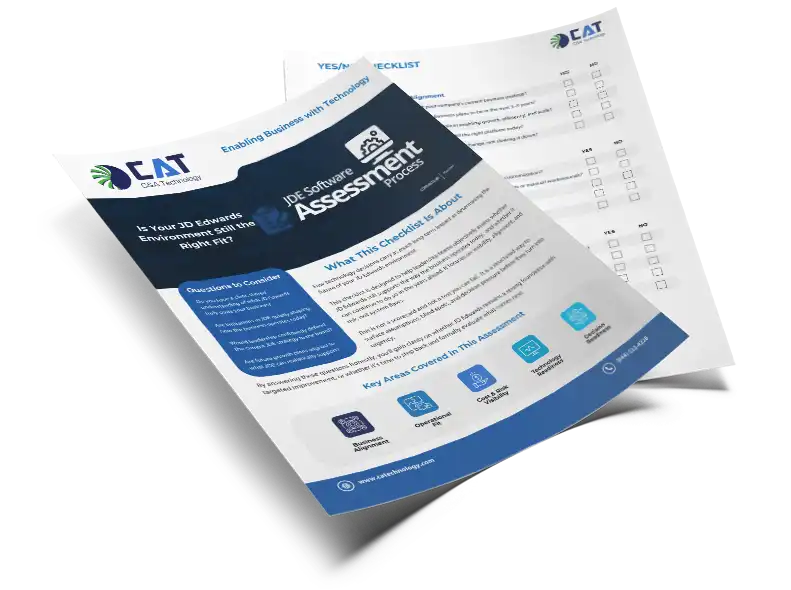
Assess Your JDE Environment... Download the Checklist
Complete the form below or call
(844) 533-4228 to get started with CAT
Why the Right JD Edwards Assessment Partner Matters
Few decisions carry as much long-term impact as determining the right next step for your JD Edwards environment. The right partner for a JD Edwards Software Assessment helps you:
- Facilitate a structured, objective JD Edwards Software Assessment of your current environment
- Provide a clear, fact-based foundation for decision-making across IT, operations, and leadership
- Evaluate whether optimization or a transition to another ERP best supports your operating model
- Build internal alignment and consensus around the recommended path forward
- Establish executive confidence through a transparent, well-supported case for action
The Right Approach: Building a Case for Action
A successful JDE Software Assessment starts with defining a clear case for action. That case may point toward continued investment and optimization, or toward preparing for a transition to an alternative enterprise platform that better supports your business.
An effective assessment focuses on three core areas: business goals, operational challenges, and future needs. A well-executed JD Edwards Software Assessment connects these elements to a decision leadership can stand behind.
A Structured Way to Assess What’s Next for JD Edwards
Determining the right path forward for JD Edwards requires more than a technical review. A JD Edwards Software Assessment connects business strategy, operational reality, and system capability to a clear case for action.
The “Goals, Challenges, Needs” framework below illustrates how CAT approaches a JDE Software Assessment. We begin by understanding your business goals, the challenges limiting performance today, and the needs required to support future growth. From there, we evaluate how your current JD Edwards environment supports or constrains those objectives.
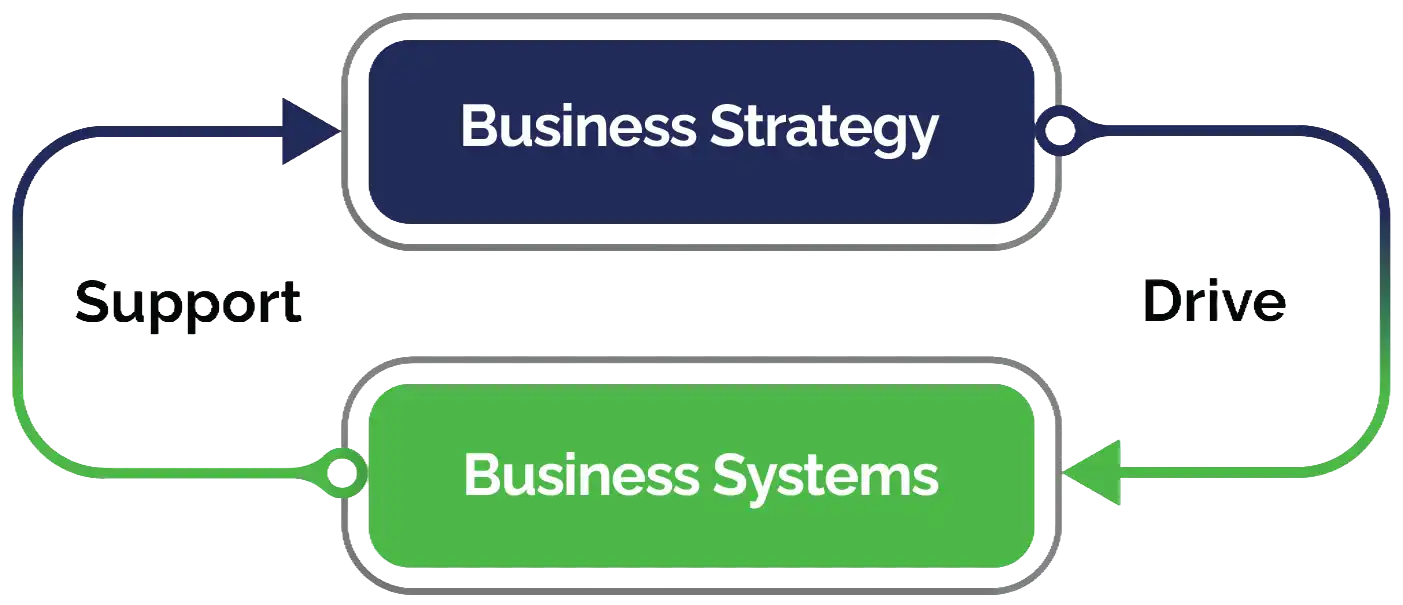
This JD Edwards Software Assessment also recognizes the relationship between business strategy and business systems. Systems should support strategy, not dictate it. By aligning system capabilities with strategic direction, CAT helps organizations move from uncertainty to a clear, defensible decision path.

Goals
- Perform a JD Edwards Software Assessment to evaluate, select, and prepare whether to stay on JDE or implement an alternative enterprise solution.

Challenges
- Determine alternative Enterprise Solutions that are relevant for your company and industry
- Define a list of requirements based on best practice business processes
- Constrained internal bandwidth to drive a software evaluation process forward

Needs
- Retain an outside, unbiased partner to lead the JD Edwards Software Assessment
- Gather requirements and perform proper due diligence to support the right decision
Turning Assessment Into a Clear Path Forward
An effective JD Edwards Software Assessment doesn’t stop at identifying issues. It connects strategy to action. CAT helps organizations translate business objectives into system decisions that support growth, performance, and long-term direction.
Moving From Complexity to Confident Action
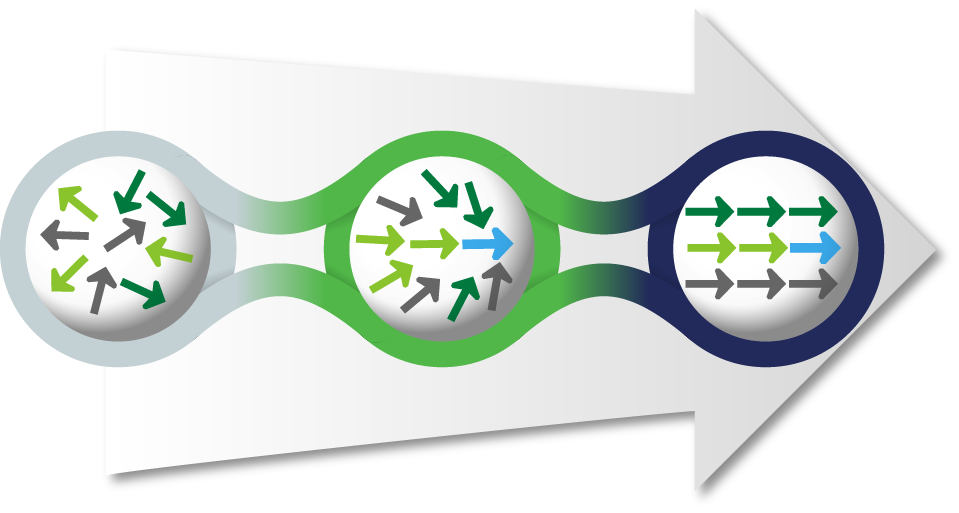
A structured JD Edwards Software Assessment brings order to complexity. As priorities compete and viewpoints differ, organizations often struggle to move forward with confidence. CAT’s approach helps cut through that noise.
The visual represents how organizations progress from fragmented inputs and competing viewpoints to a clear, aligned path forward. Through a structured assessment, CAT helps translate insights into direction, creating alignment across stakeholders, reducing uncertainty, and defining the next step with confidence.
Whether the path leads to optimizing JD Edwards or planning a transition, the outcome of a JDE Software Assessment is the same: a decision grounded in facts, supported by alignment, and ready for execution.
What a CAT JD Edwards Assessment Delivers
A JD Edwards Software Assessment provides more than insight. It delivers clarity leadership teams can act on. By examining how JD Edwards is configured, supported, and used across the organization, CAT surfaces the underlying factors driving performance, complexity, and risk.
The outcome is a clear, objective view of your options. For organizations where JD Edwards continues to meet business needs, the assessment highlights opportunities to improve efficiency, strengthen integrations, and better align the system with future growth. For others, it establishes the foundation needed to responsibly plan a transition, including scope, timing, risk considerations, and business impact.
Equally important, a JDE Software Assessment creates alignment. IT, operations, finance, and executive leadership gain a shared understanding of current-state realities and future direction. Decisions are no longer based on assumptions or competing opinions, but on facts, priorities, and strategic goals.
If you’re also assessing automation maturity alongside core ERP fit, the JDE Orchestrator Readiness Evaluation Checklist is a quick way to pressure-test whether what’s been built is actually ready to scale.
Whether the path forward involves optimizing JD Edwards or preparing for a move, CAT’s assessment ensures the decision is deliberate, defensible, and positioned for successful execution.
The Right Assessment Approach, From Insight to Action
CAT’s JD Edwards Software Assessment incorporates your operating model, financial requirements, and IT strategy to determine the right path forward — whether that means optimizing your existing JD Edwards environment or preparing for a transition.
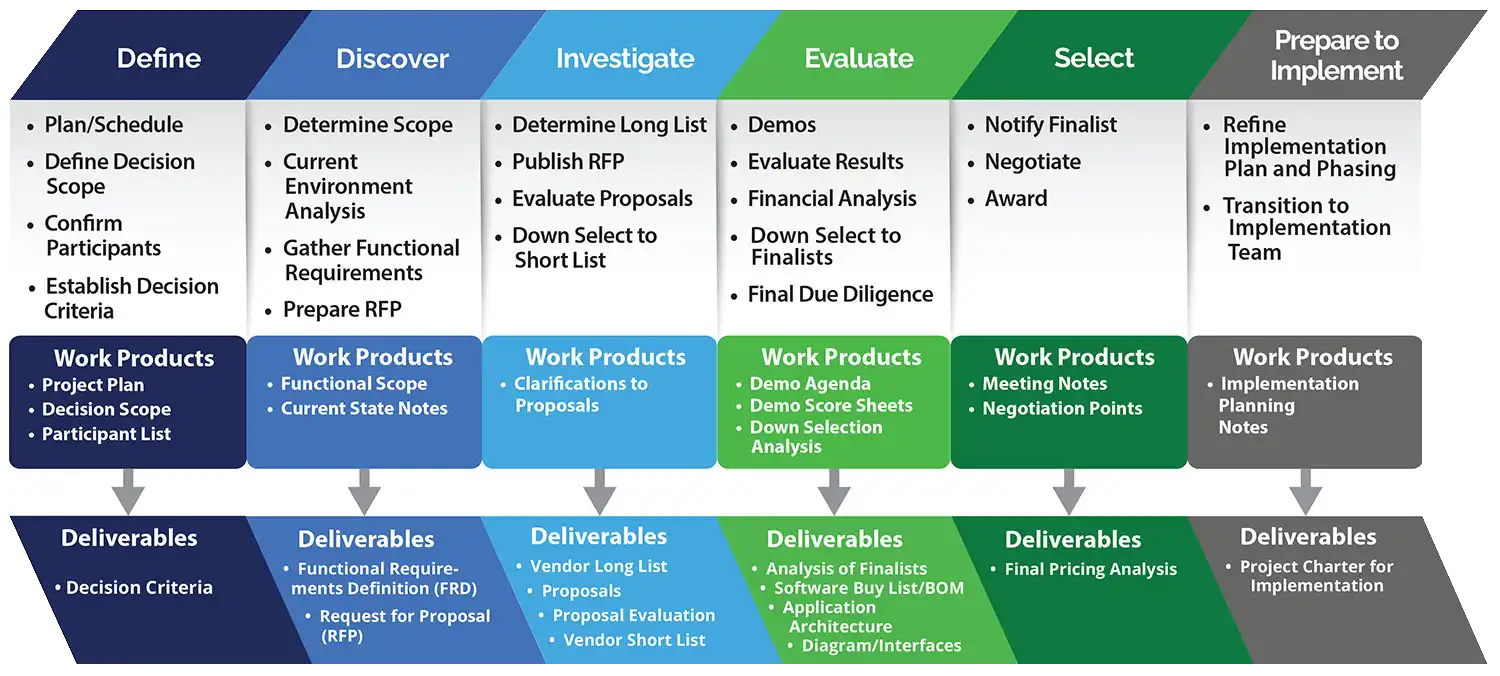
The workflow below illustrates how CAT brings structure, discipline, and consistency to the assessment process. Each phase builds on the last, guiding organizations from definition and discovery through investigation and validation, and ultimately to a decision that is practical, defensible, and ready to execute.